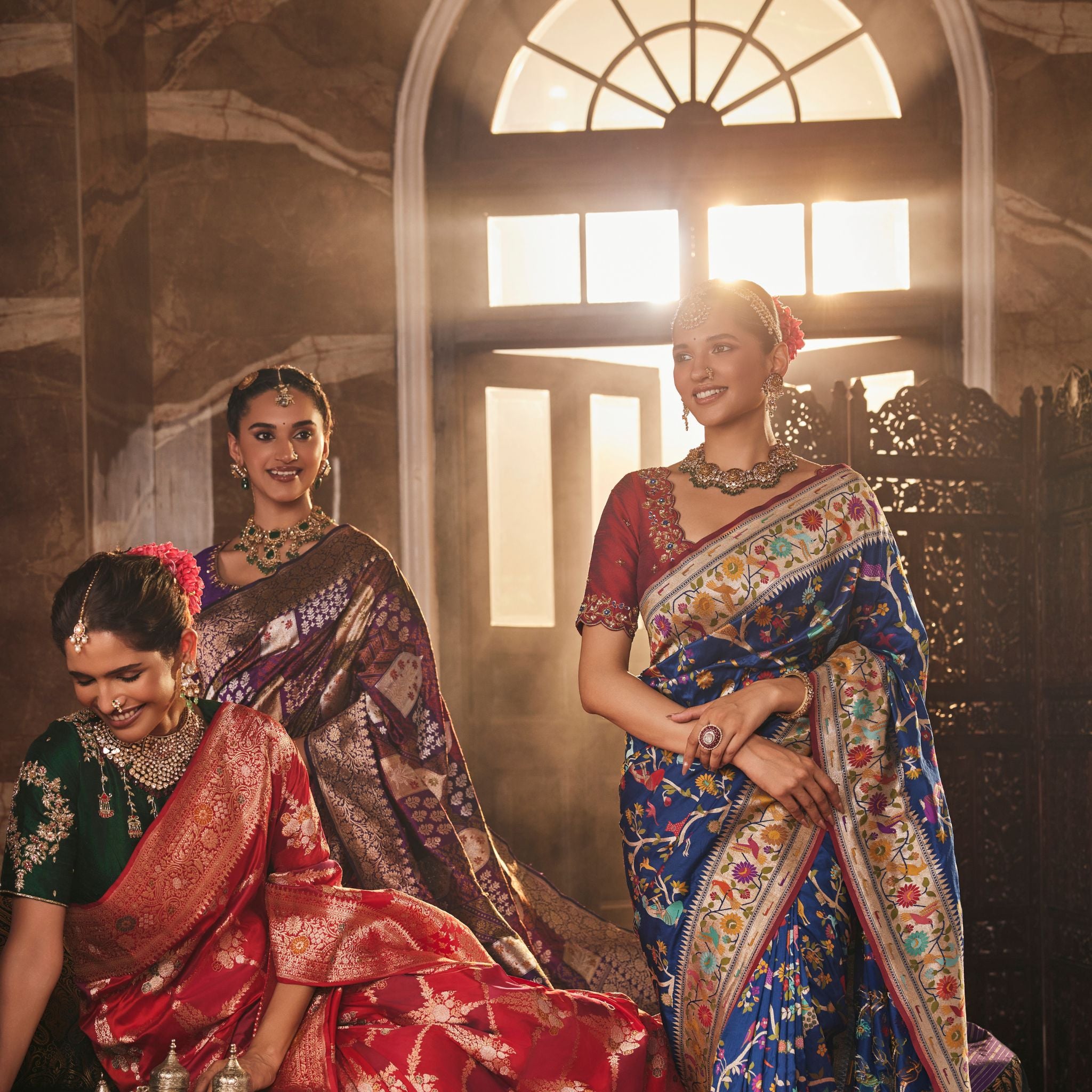
Banarasi Silk Sarees The Pride of Indian Handloom Heritage
By Vaarahi Silks
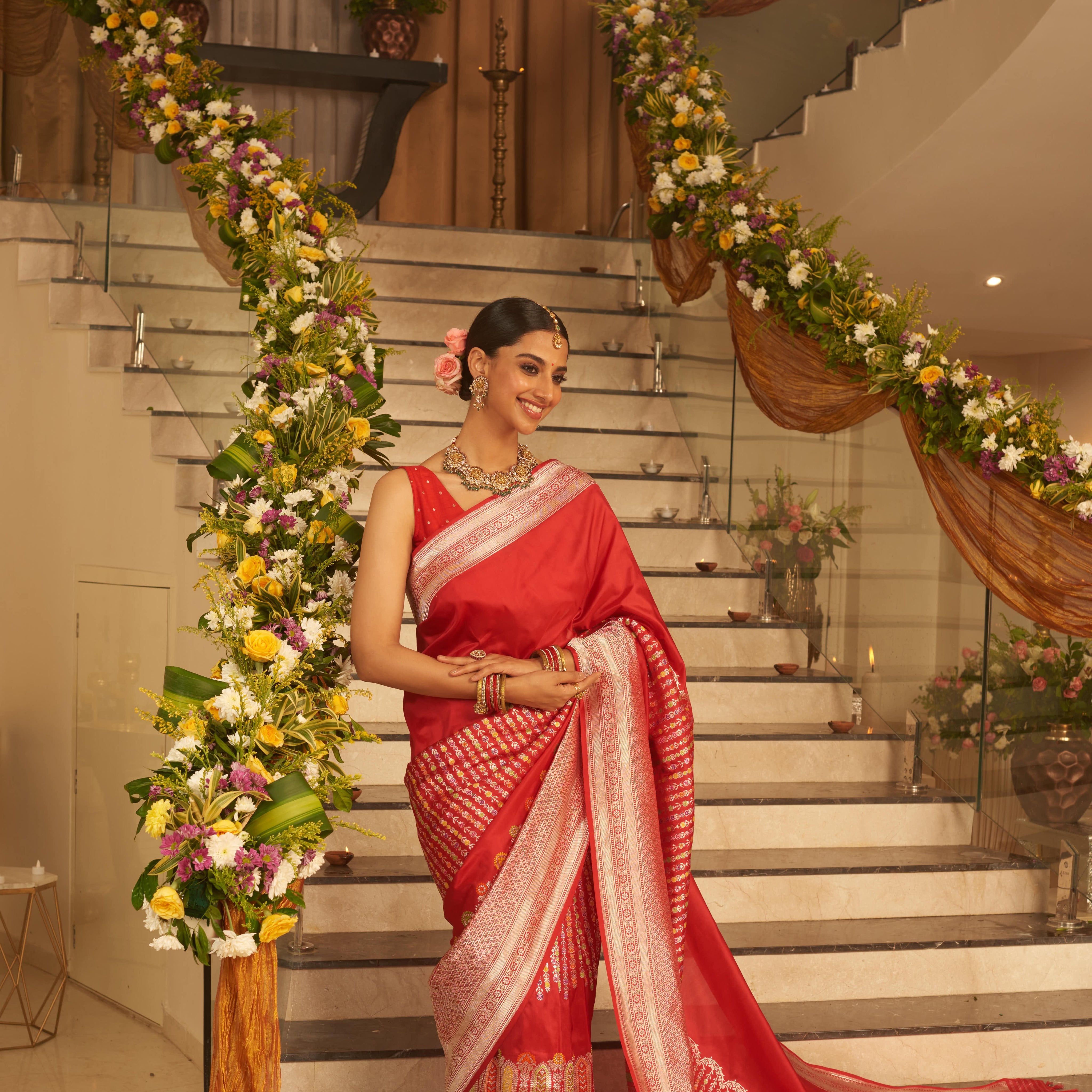
India’s handloom heritage is a rich tapestry of culture, tradition, and craftsmanship, and Banarasi silk sarees stand proudly at its heart. Revered for their luxurious texture, intricate designs, and royal appeal, Banarasi silk sarees are more than just garments—they are living symbols of India’s artistic legacy. Worn for centuries by royalty and brides alike, these sarees continue to represent elegance, heritage, and timeless beauty.
The origin and legacy of Banarasi silk sarees
Banarasi silk sarees originate from the ancient city of Varanasi, formerly known as Banaras. With a weaving history that dates back several centuries, Banarasi sarees gained prominence during the Mughal era, when Persian-inspired motifs and luxurious designs were introduced. Over time, these influences blended with Indian artistry, creating the iconic Banarasi weave we cherish today.
Traditionally crafted for royalty, Banarasi silk sarees were symbols of wealth and sophistication. Even today, they remain an integral part of Indian weddings and grand celebrations.
Exceptional craftsmanship and weaving techniques
What sets Banarasi silk sarees apart is their intricate handloom craftsmanship. Each saree is woven by skilled artisans using age-old techniques passed down through generations. The weaving process is meticulous and time-consuming, often taking weeks or months to complete a single saree.
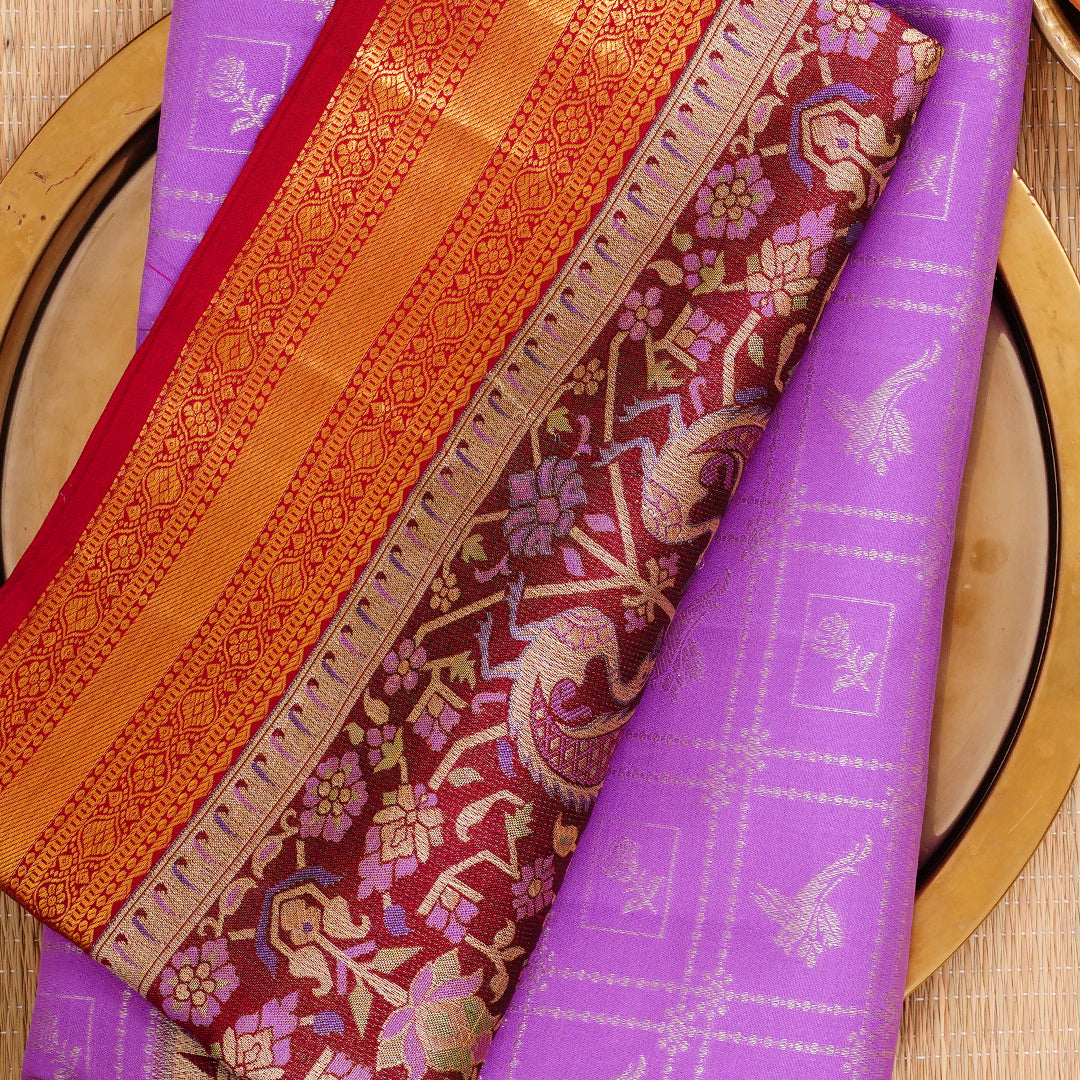
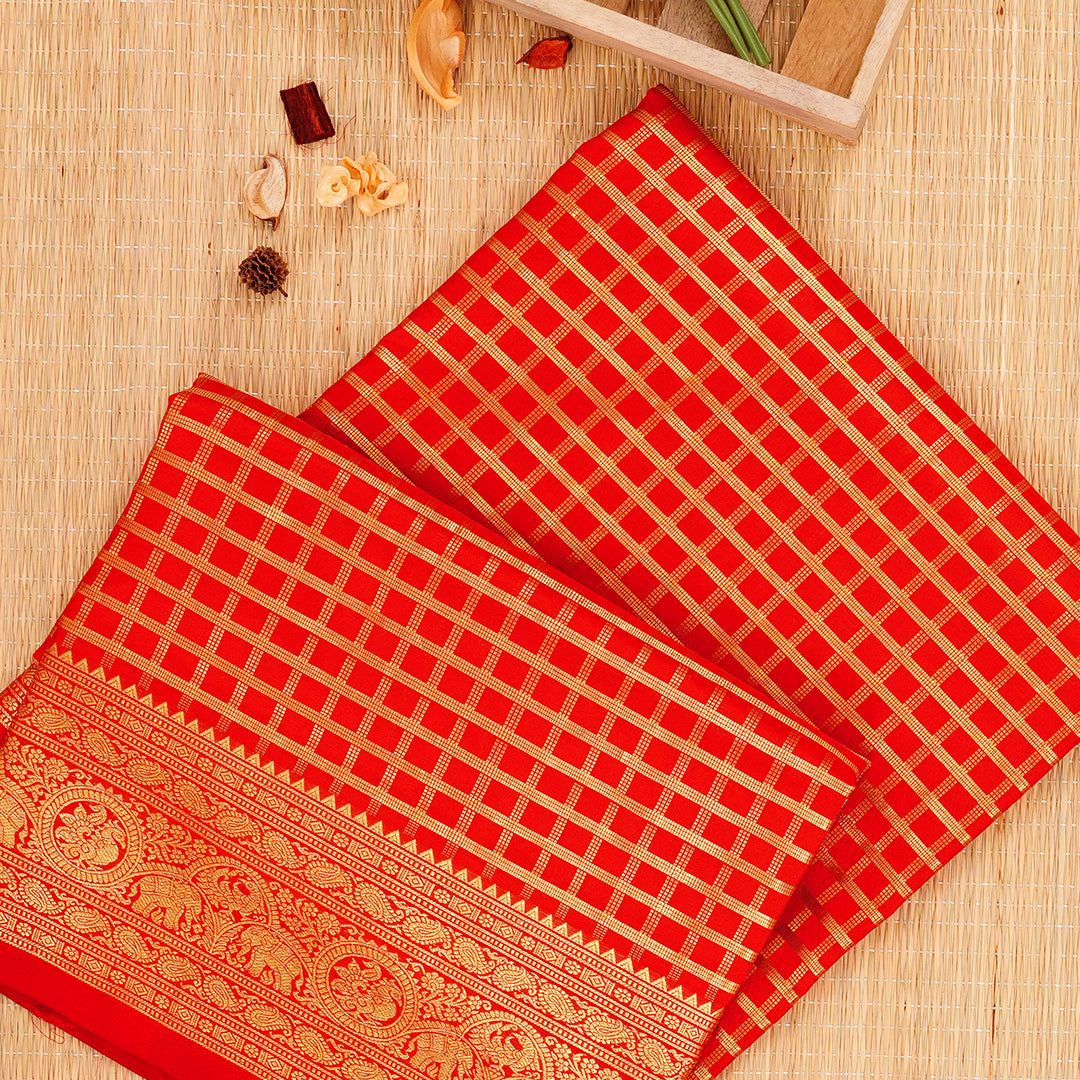
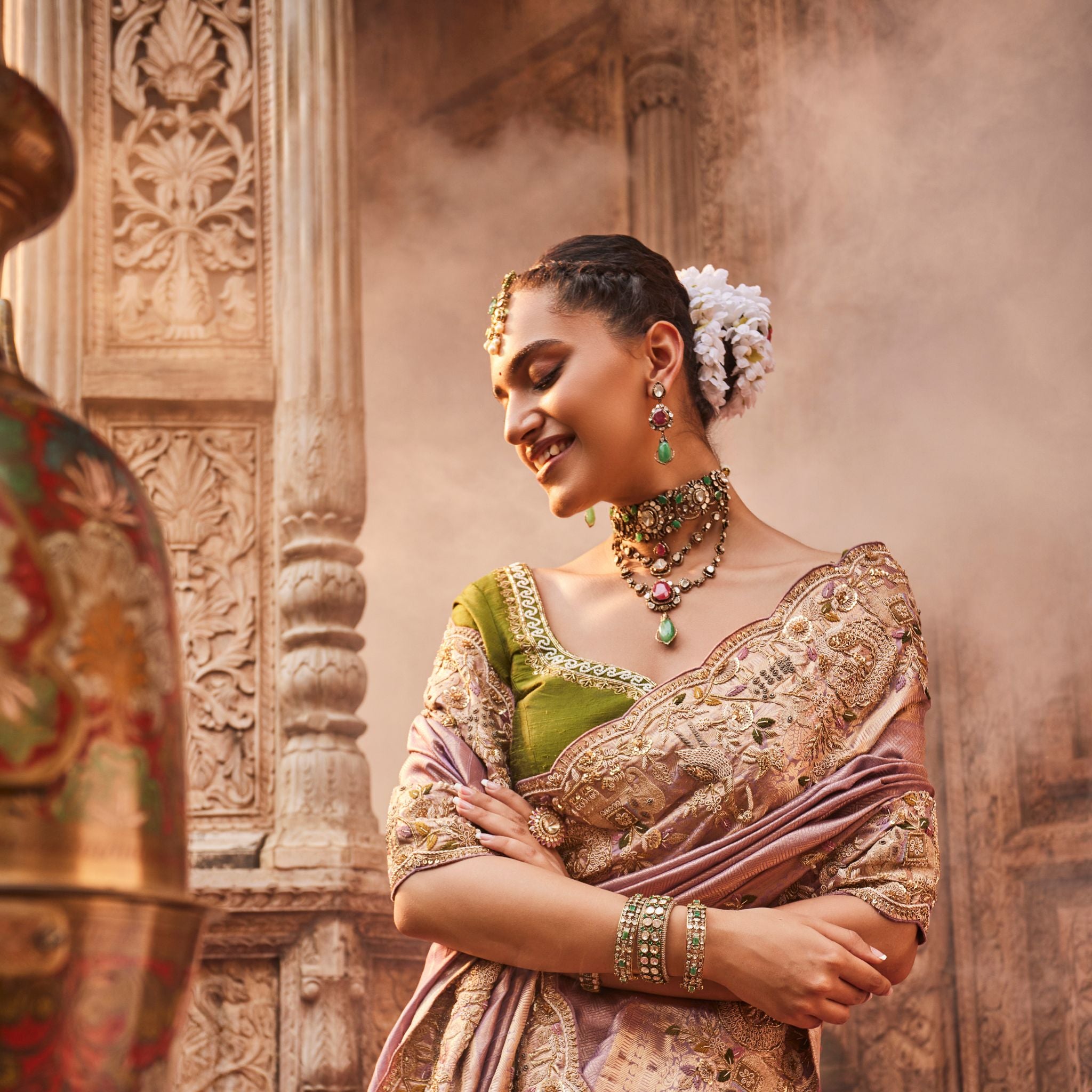
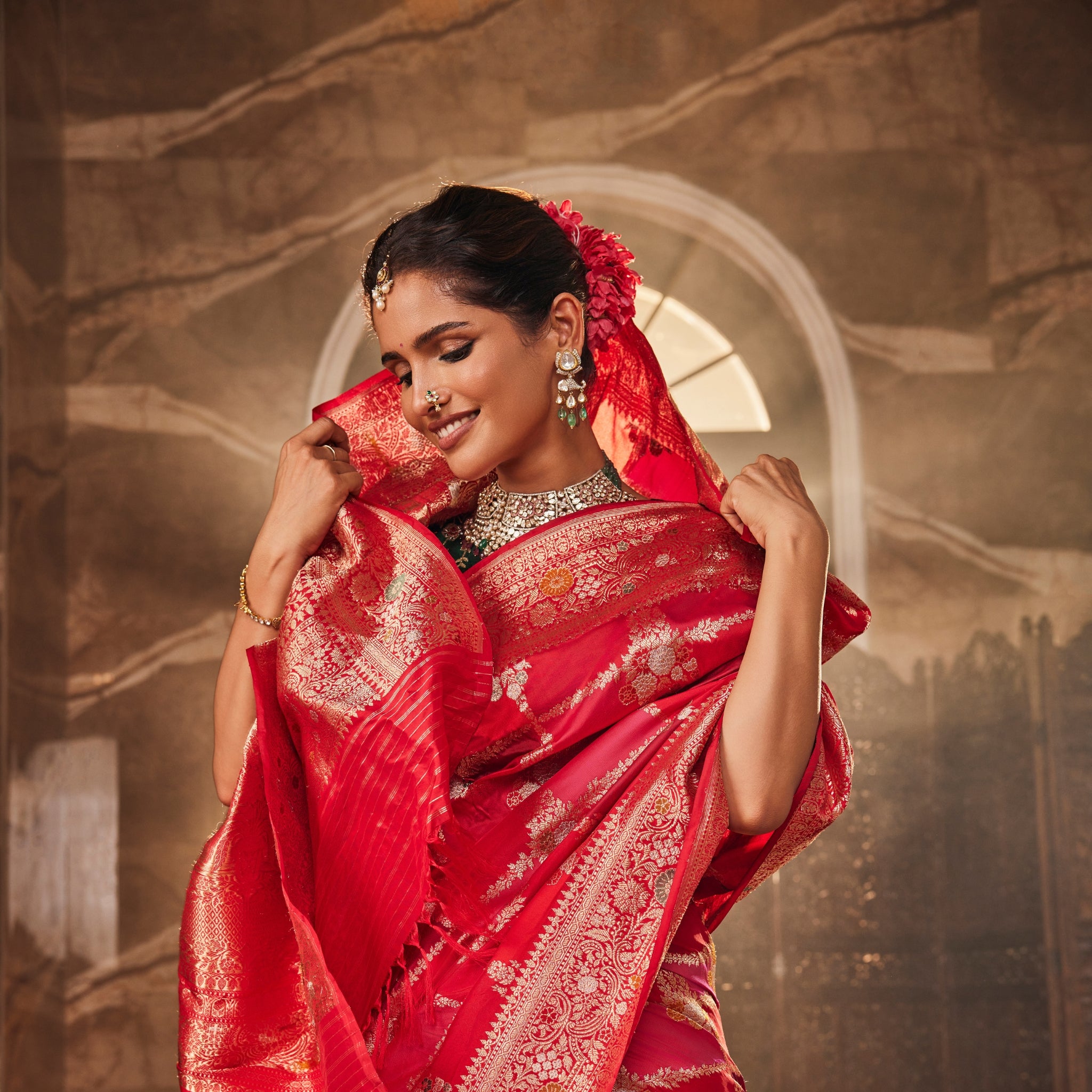
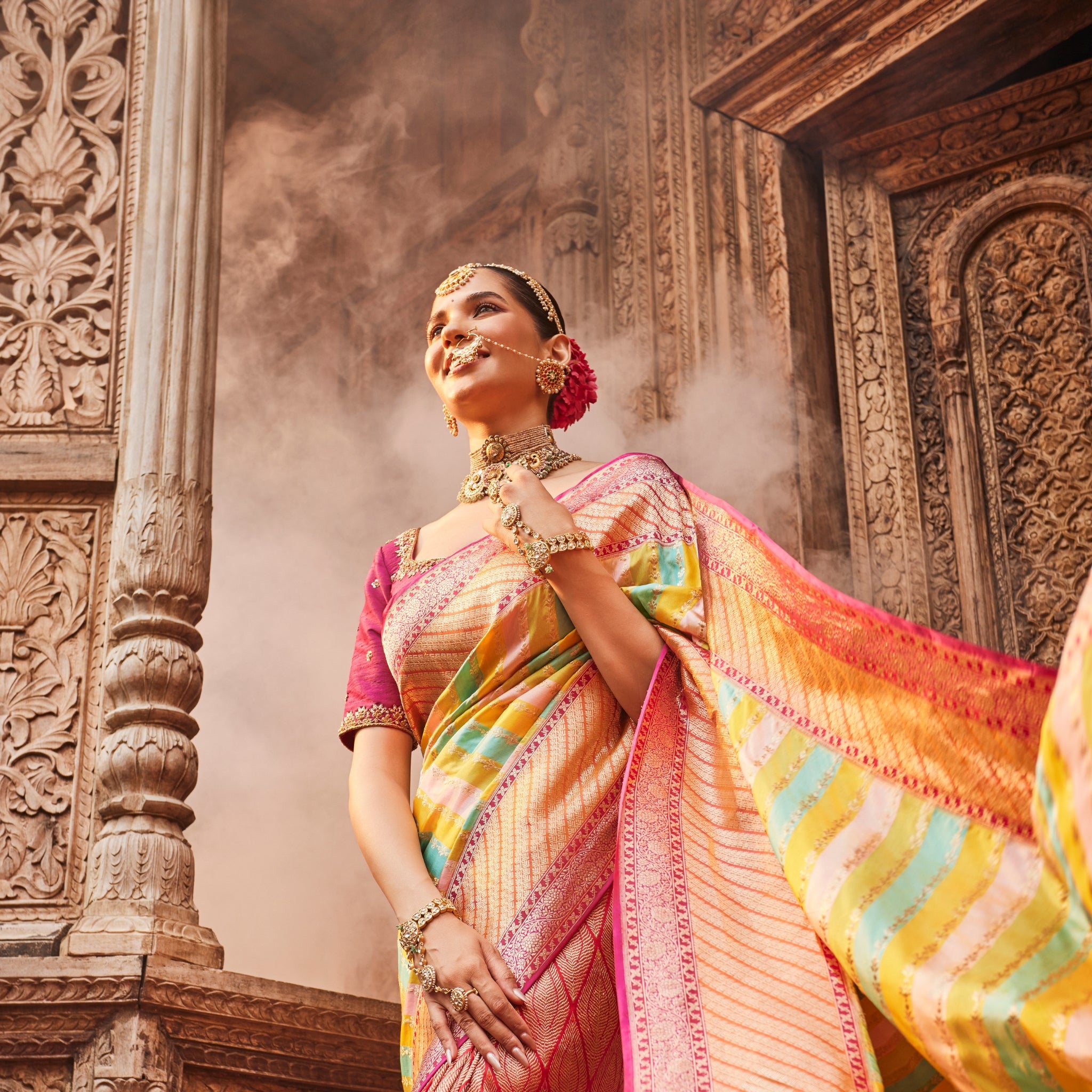
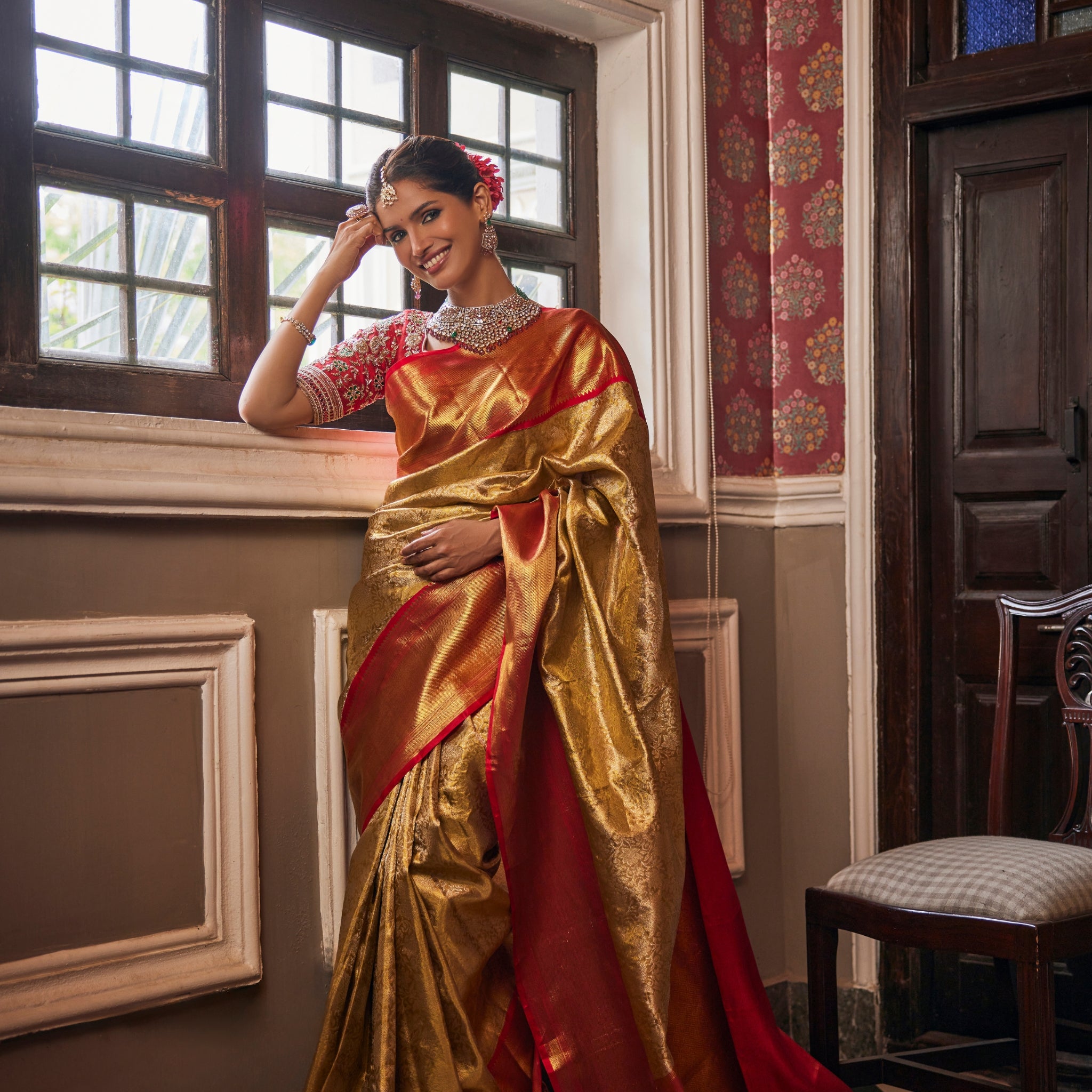
Pure Banarasi silk sarees are known for their elaborate zari work, traditionally made using gold or silver threads. The detailed brocade, known as “kadhua” or “jamdani” weaving, adds depth, texture, and unmatched richness to the fabric.
Iconic motifs and designs
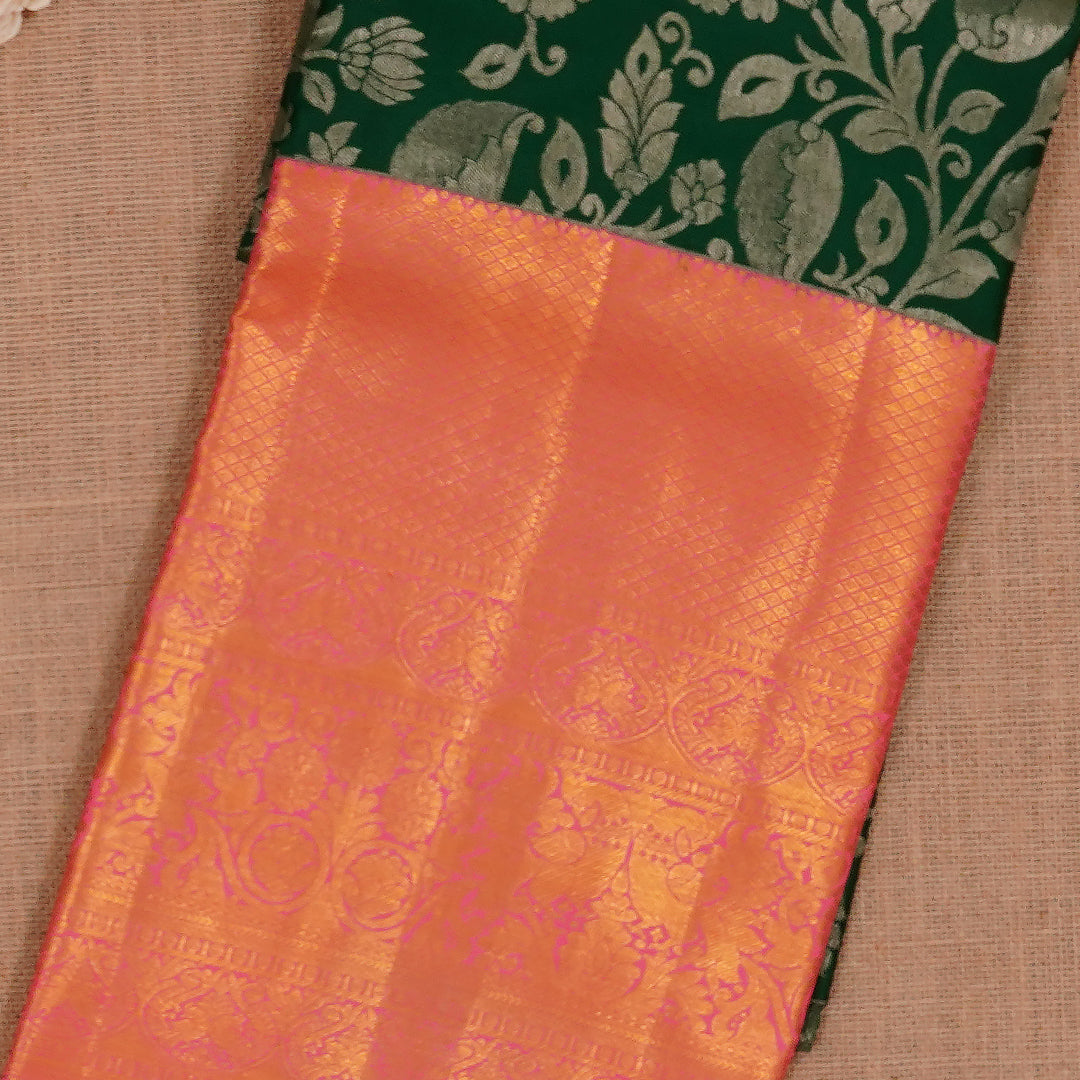
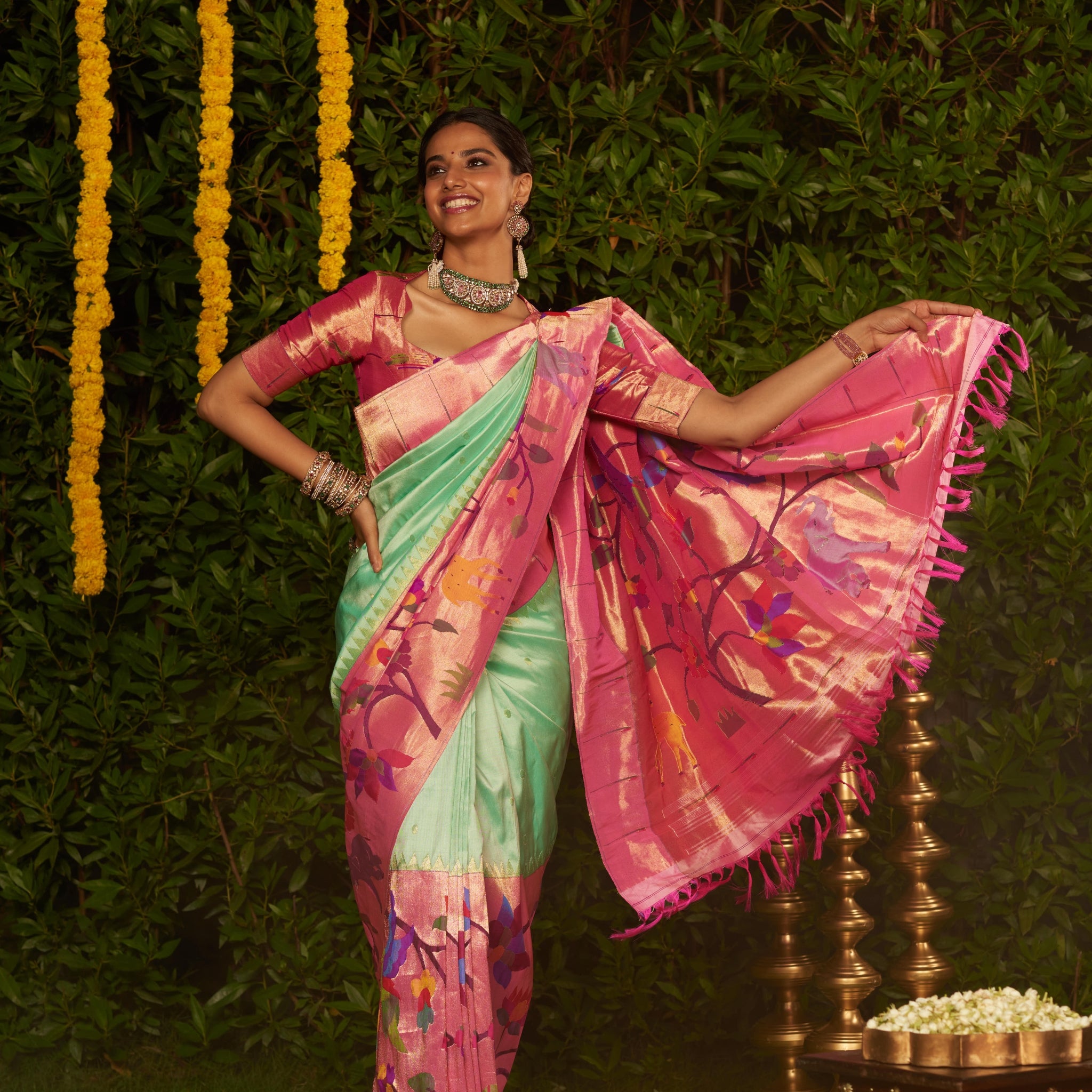
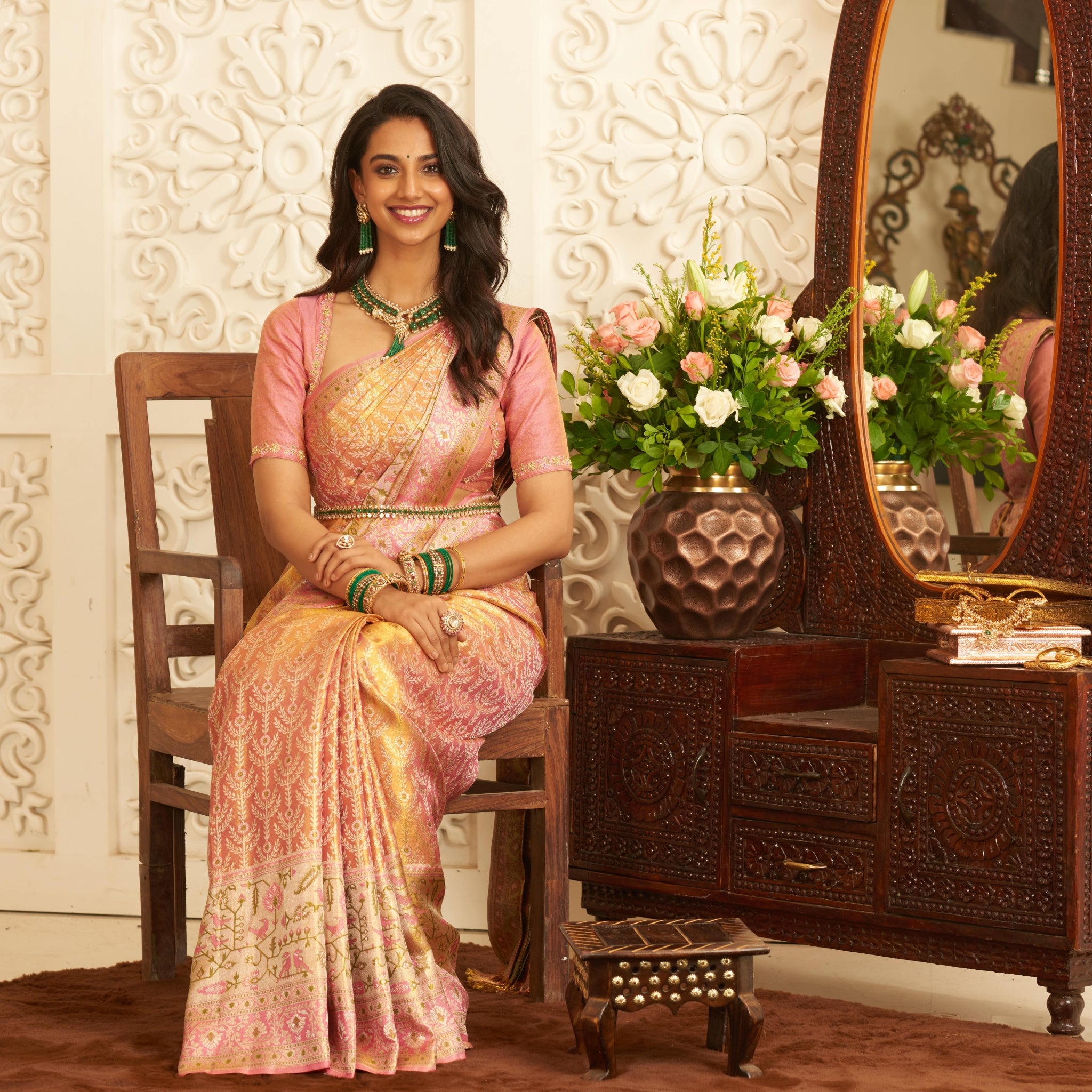
Banarasi silk sarees are instantly recognizable by their distinctive motifs. Common patterns include floral designs, paisleys, kalgas, bels, and Mughal-inspired elements. These motifs are woven into the fabric rather than printed, giving the saree its signature durability and elegance.
The pallu and borders of Banarasi sarees are often heavily adorned, making them the focal point of the design and adding to their regal appeal.
The richness of Banarasi silk fabric
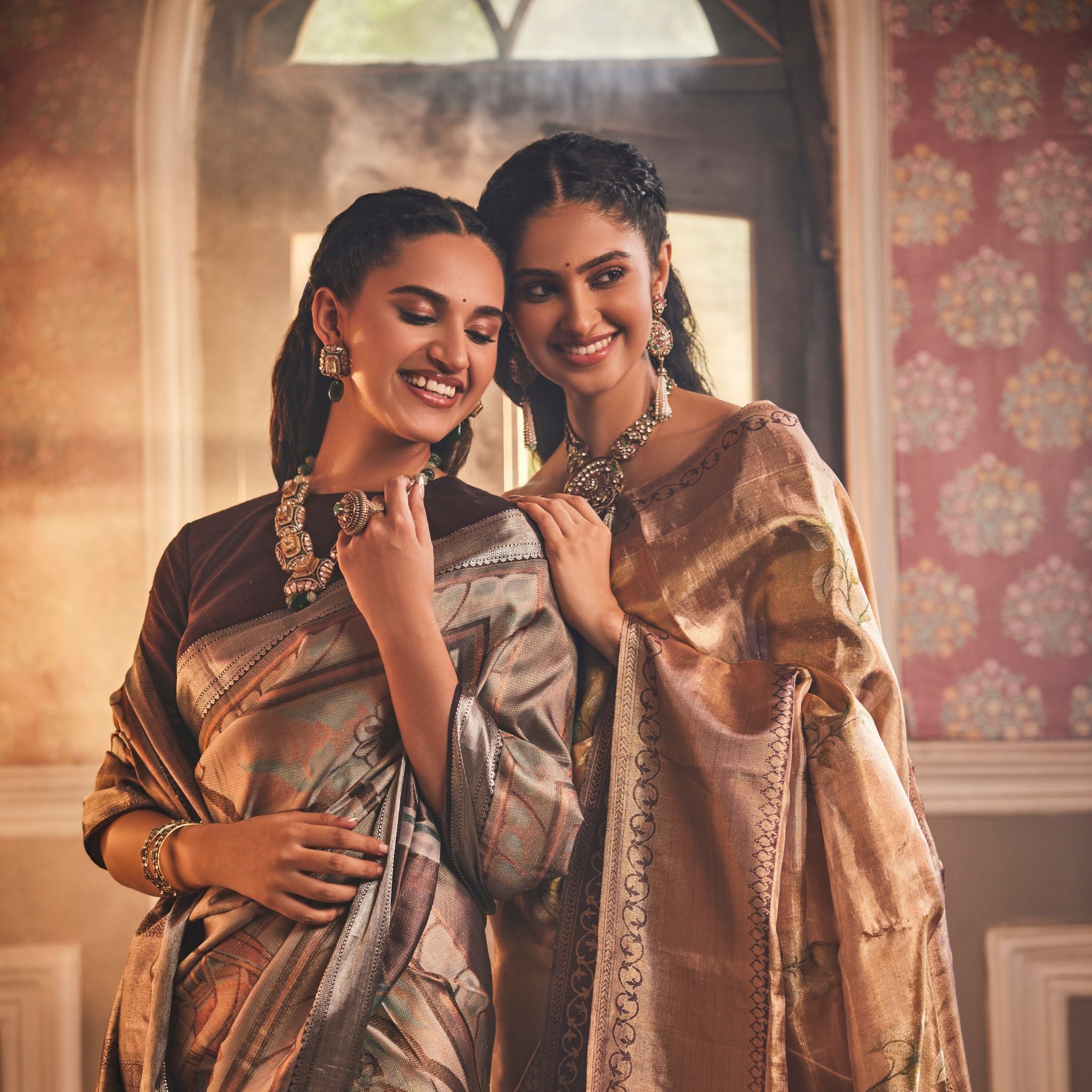
The silk used in Banarasi sarees is known for its smooth texture, natural sheen, and luxurious drape. When combined with intricate zari work, the fabric creates a mesmerizing effect that enhances the wearer’s grace. Despite their rich appearance, well-crafted Banarasi silk sarees are comfortable and drape beautifully, making them suitable for long ceremonies and celebrations.
Banarasi silk sarees in modern times
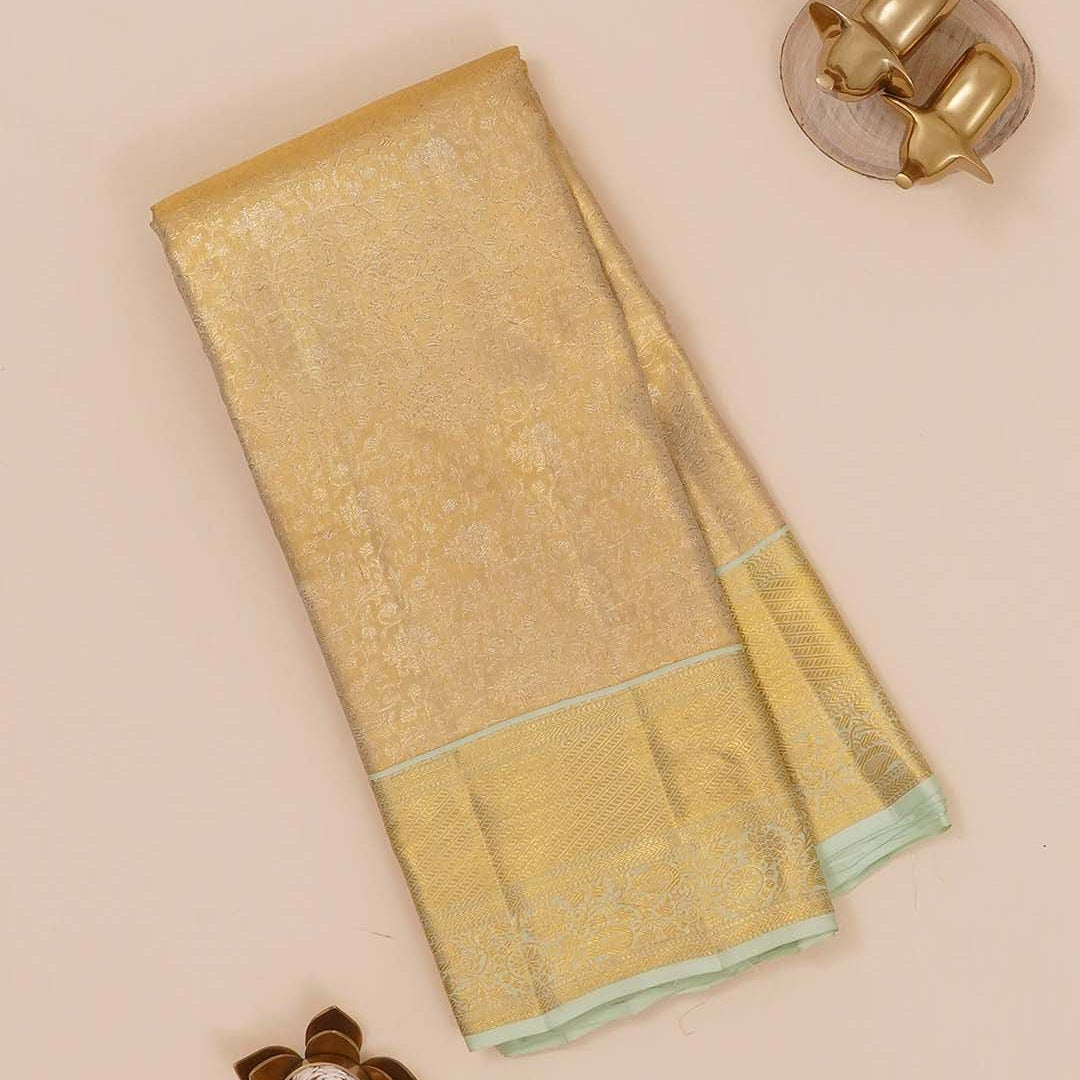
While deeply rooted in tradition, Banarasi silk sarees have evolved to suit modern tastes. Contemporary designs now feature lighter textures, pastel hues, and innovative color combinations, making them appealing to younger generations. These modern adaptations retain the essence of Banarasi craftsmanship while offering versatility for festive, formal, and even semi-formal occasions.
Supporting Indian handloom artisans
Choosing a Banarasi silk saree is also a way of supporting India’s handloom industry. Each purchase helps sustain the livelihoods of skilled weavers who dedicate their lives to preserving this art form. By embracing Banarasi silk sarees, buyers contribute to the continuation of a heritage that defines India’s cultural identity.
Caring for Banarasi silk sarees
Proper care ensures that Banarasi silk sarees remain beautiful for generations. Dry cleaning is recommended, along with careful storage in breathable fabric covers. When maintained well, these sarees often become treasured heirlooms passed down through families.
Conclusion
Banarasi silk sarees are truly the pride of Indian handloom heritage. With their rich history, exceptional craftsmanship, and timeless elegance, they represent the soul of Indian textile art. Whether worn for weddings, festivals, or special occasions, a Banarasi silk saree is a celebration of tradition, artistry, and enduring beauty that continues to inspire generations.